How It Started
My journey with Compassion began in 2009, when I heard Pastor J.John speak in Winchester as part of his Just10 sermon series on the Ten Commandments. That's where I first came across Compassion, and one idea stuck with me: one person can choose to stand beside one child and make a lasting difference.
What Compassion Does
Compassion is a Christian child-development charity, founded in 1952, with a simple mission: releasing children from poverty in Jesus' name. What drew me in was its view of poverty as more than a lack of money — it affects a child's health, education, confidence, relationships and hopes for the future. Real change, I believe, comes through steady care, not a one-off gift.
How Sponsorship Works
Here's how it works in practice: a sponsor makes a regular monthly donation, and a local church partner identifies and supports a child in its own community. Through a Compassion project, that child can receive educational support, nutritious food, health checks, mentoring and age-appropriate spiritual teaching.
I like that the approach is local. The people running each project know the community's language, culture and everyday challenges. It's more respectful than arriving with an outside answer, because Compassion works through churches that are already present and trusted.
Seeing It Firsthand in Rwanda
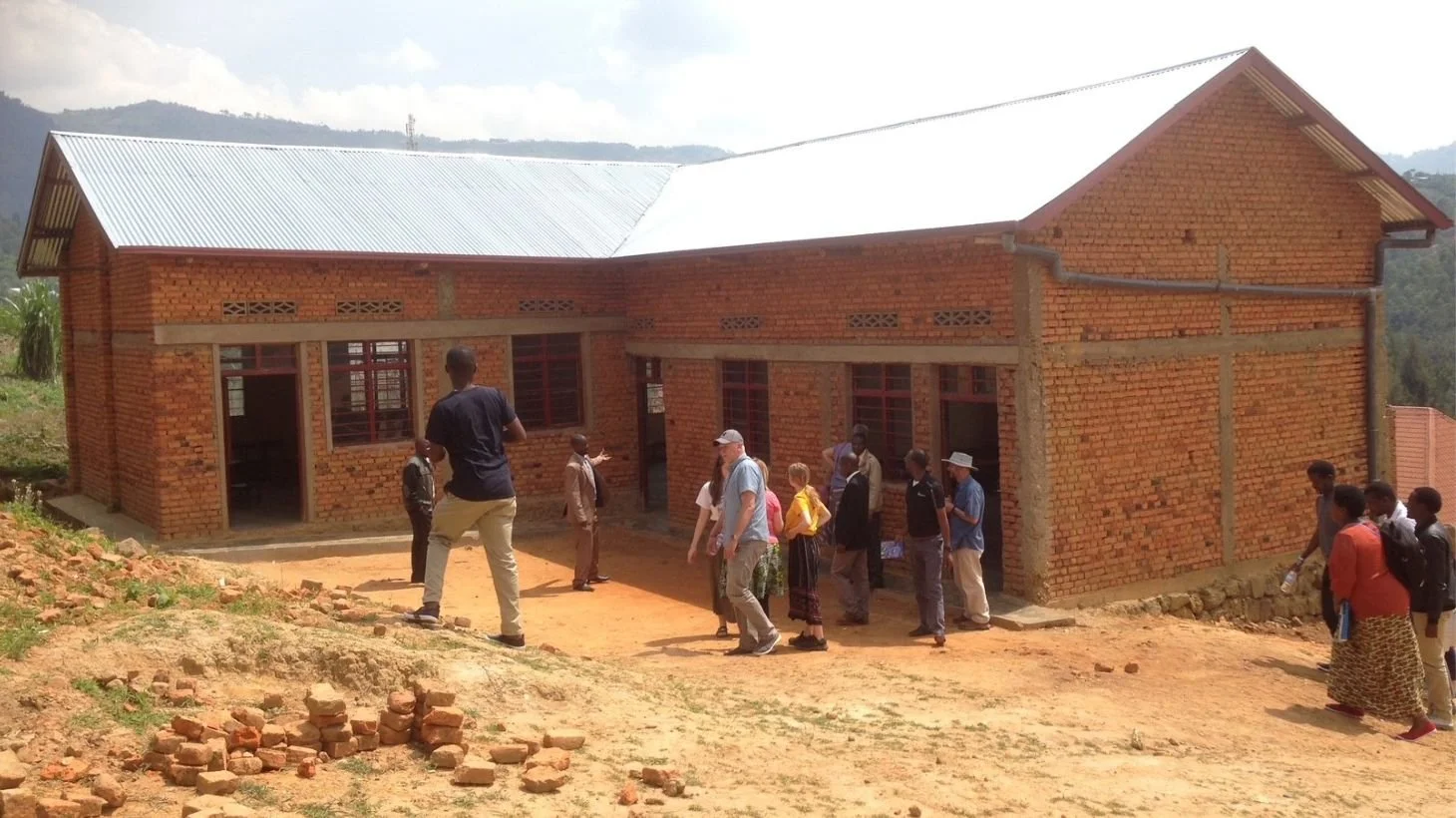
In July 2019, I led a team from Hope Church to Rwanda to see for ourselves how a one-off financial gift had been used alongside Compassion's ongoing work.
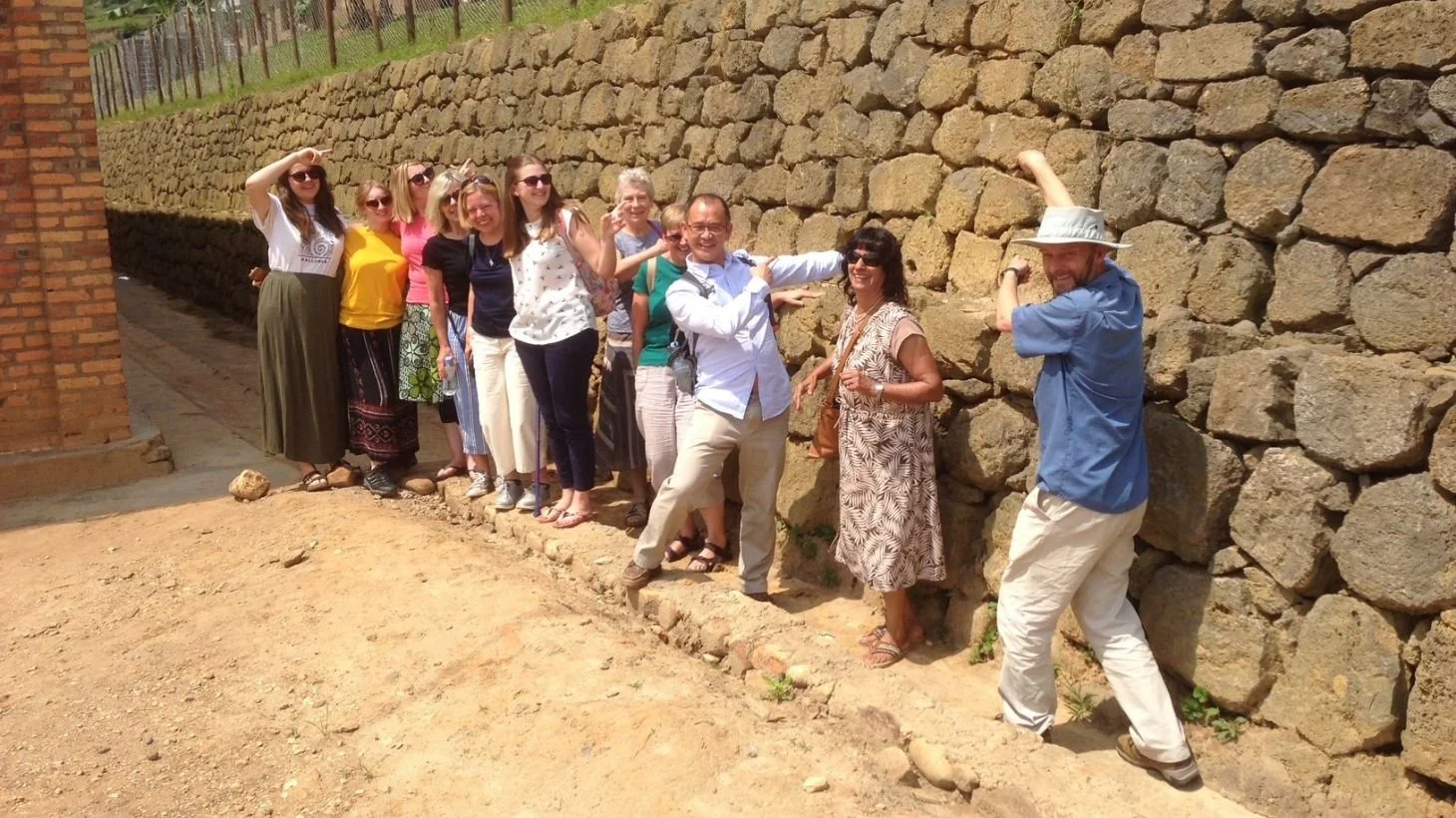
We visited a church where the money had helped build extra classrooms and a new toilet block, construct a retaining wall to protect the school from landslides, and level the playground so children had somewhere safer to play.
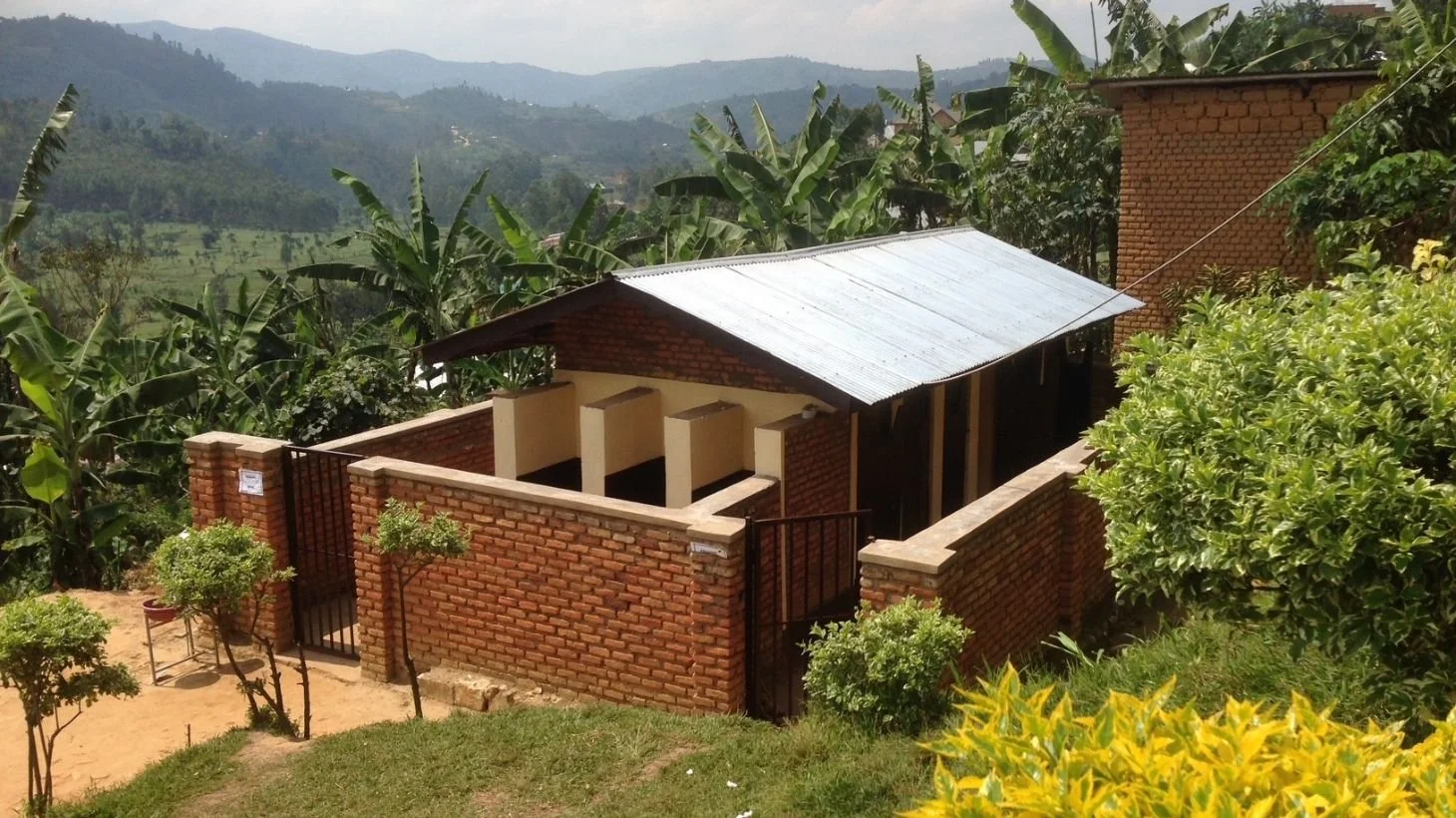
Standing in the classroom and looking out over the playground was nothing like reading about it in a report. Our giving had become something practical and lasting.
I came home proud of what our church had achieved and humbled by the resilience of the community we'd met.
The Personal Connection
What moves me most about sponsorship is the personal connection. A sponsor can exchange letters, photos, encouragement and prayer requests with one specific child. I can imagine the excitement of getting a letter and learning about their interests, achievements and dreams.
More importantly, it tells that child that someone beyond their circumstances knows their name and cares how they're doing. It would change me too: it pushes me to look past statistics and see a real person, with their own talents, humour, challenges and hopes. That relationship is what makes giving feel human rather than distant.
The Bigger Picture
The scale of Compassion's work makes the idea feel even bigger: more than 2.4 million children take part in programmes run with thousands of local church partners across 29 countries. But behind that number are individual children walking into a project, opening a book, getting a health check or learning a skill.
Education keeps a child in school; good nutrition helps them concentrate and develop. And as children grow in confidence, that impact tends to ripple out to their families and communities too.
Faith at the Centre
Compassion's Christian identity matters to me too. Its work is openly motivated by the example of Jesus, and children are offered biblical teaching through local churches, which is part of why it appeals to sponsors who want their giving to express their faith.
At the same time, I'm reassured that children are helped regardless of their background or beliefs. Compassion shouldn't have to be earned. Every child deserves practical care, respect and the freedom to be valued for who they are.
Giving Carries Responsibility
Rwanda also reminded me that giving carries responsibility. I wanted to know how donations were managed, how children were safeguarded, and whether local people had a genuine voice in decisions and I found answers in how Compassion UK reports on its funding.
That, combined with seeing the finished work in Rwanda, gave me confidence our gifts were being used well. But good intentions aren't enough on their own: every message and image should honour a child's dignity, strengths and potential, never present them as an object of pity, or make the donor feel like a rescuer.
Why One Child Is Still Worth It
Sponsoring one child won't fix global poverty, it can't replace fair economic systems, effective governments or strong public services. But I don't want the size of the problem to become an excuse for doing nothing.
Compassion gives me a practical way to offer consistent support, rather than just reacting when a crisis hits the news. Monthly giving lets local projects plan, employ staff and build relationships over time and that patient commitment matters, because children don't grow and flourish overnight. They need people who keep showing up.
Where This Leaves Me
Compassion has changed how I think about charity. It's not simply sending money, it's joining a respectful partnership with a child, a family and a local community, combining practical help, personal encouragement and Christian faith so children can grow into healthy, educated and confident adults.
If I sponsor a child, I want to do it humbly: listen to their story, celebrate their progress, and accept that I can't change the whole world. But helping one child discover greater opportunities feels like a hopeful place to start.
Closer to Home
This commitment isn't just mine. When Tim Robertson from Compassion UK last visited Hope Church Winchester last July, we were sponsoring more than 100 children. That number isn't just impressive, it represents over a hundred individual relationships giving children consistent support, encouragement and opportunity.